Todd County
Where the Forests Meet the Prairie.
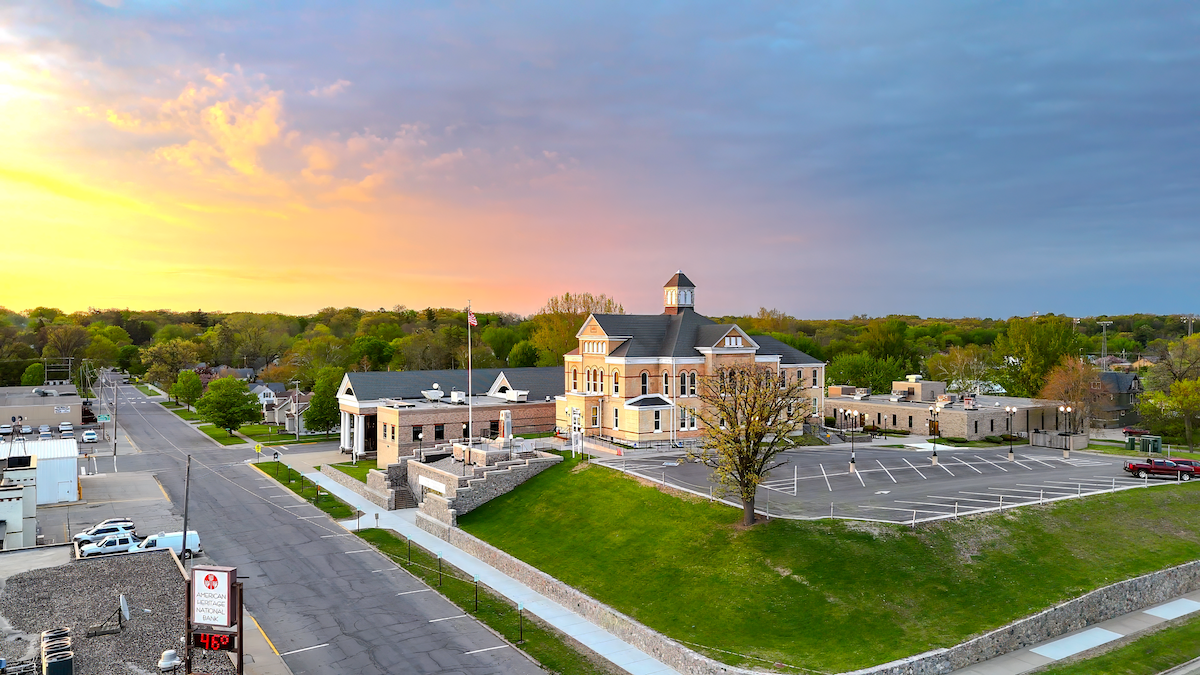
Todd County brings together strong small-town communities, a rich agricultural heritage, growing industries, and some of central Minnesota’s most beautiful natural landscapes.
Discover Todd County
Built on Community.
Surrounded by Opportunity.
Across Todd County, residents and businesses are connected by strong local relationships, productive industries, and communities that value both their heritage and their future.
Agriculture remains an important part of the county’s identity, alongside manufacturing, healthcare, education, retail, service businesses, and entrepreneurship. Beyond work, lakes, forests, prairie, trails, and open land make it easy to stay connected to the outdoors and the communities around you.
A community snapshot
Todd County. The big picture.
Get a broader view of the people, households, and employers that shape Todd County—from housing and income to workforce, commuting, and connectivity. Explore the data behind community planning, business investment, and economic development.
Our community
The people behind the place.
Population, age, and household estimates provide a foundation for understanding the county’s residents and community needs.
Population
Estimated residents · Census ACS
Median age
Years · Census ACS
Households
Occupied households · Census ACS
Explore population by age
Estimated residents in each age group, from young children to older adults.
| Category | Estimated count |
|---|---|
| Under 5 | 1,679 |
| 5–9 | 1,725 |
| 10–14 | 1,871 |
| 15–19 | 1,468 |
| 20–24 | 1,141 |
| 25–29 | 1,435 |
| 30–34 | 1,346 |
| 35–39 | 1,422 |
| 40–44 | 1,282 |
| 45–49 | 1,236 |
| 50–54 | 1,362 |
| 55–59 | 1,754 |
| 60–64 | 2,064 |
| 65–69 | 1,923 |
| 70–74 | 1,424 |
| 75–79 | 1,142 |
| 80–84 | 655 |
| 85+ | 646 |
Survey estimates; chart margins of error are not shown.
Places to call home
A look at local housing.
Home values, rental costs, and housing tenure help describe the county’s housing landscape.
Median home value
Owner-occupied homes · Census ACS
Median monthly gross rent
Monthly rent plus applicable tenant-paid utilities · Census ACS
These estimates describe surveyed housing costs and values; they are not current asking rents or real estate listings.
Explore homeownership & renting
Estimated owner-occupied and renter-occupied homes. Vacant housing units are not included.
| Category | Estimated count |
|---|---|
| Owner occupied | 8,471 |
| Renter occupied | 1,738 |
Survey estimates; chart margins of error are not shown.
Household economics
Income & economic well-being.
Household income and poverty estimates offer context for understanding local purchasing power and economic needs.
Median household income
Annual household income · Census ACS
Per capita income
Annual income per person · Census ACS
Poverty rate
Share of people below the poverty level · Census ACS
People below the poverty level
Estimated people · Census ACS
Poverty estimates apply to the population for whom poverty status is determined, which differs from the county’s total population. Income figures reflect the selected ACS dataset’s reporting period.
People & opportunity
Workforce & education.
Monthly labor estimates describe resident employment. Census estimates add a longer-term view of the labor force and adult educational attainment.
Unemployment rate
Not seasonally adjusted · BLS LAUS
Civilian labor force
Employed and unemployed residents · BLS LAUS
Employed residents
Counted by place of residence · BLS LAUS
Unemployed residents
Residents classified as unemployed · BLS LAUS
These monthly figures include residents who work outside Todd County. They describe people by place of residence, rather than jobs located within the county.
Explore educational attainment
Highest level of education completed by residents age 25 and older. This includes adults both inside and outside the labor force.
| Category | Estimated count |
|---|---|
| Less than high school | 1,809 |
| High school / GED | 7,311 |
| Some college, no degree | 3,509 |
| Associate’s degree | 2,212 |
| Bachelor’s degree | 2,027 |
| Graduate / professional degree | 823 |
Survey estimates; chart margins of error are not shown.
Economic activity
Local employers. Local impact.
Quarterly establishment, employment, and wage statistics provide a view of covered jobs located in Todd County.
Establishments
Covered establishments · All industries
Covered employment
Jobs in the quarter’s final month · BLS QCEW
Average weekly wage
Across covered employment · BLS QCEW
Establishments are operating locations, rather than a count of unique companies. QCEW covers employment reported through unemployment insurance systems; it does not represent every worker or self-employed business owner.
The working day
How residents get to work.
Commuting and work-from-home estimates describe how resident workers age 16 and older typically reach their jobs.
Drove alone
Share of resident workers age 16+ · Census ACS
Carpooled
Share of resident workers age 16+ · Census ACS
Used public transit
Share of resident workers age 16+ · Census ACS
Worked from home
Share of resident workers age 16+
Residents who worked from home
Estimated workers age 16+ · Census ACS
These selected categories do not include every means of transportation, so their percentages may not total 100%. Work-from-home estimates describe usual work arrangements; they do not count everyone who occasionally works remotely.
Connected households
Broadband at home.
Household broadband subscriptions offer a view of digital connectivity for work, learning, and everyday life.
Households with broadband
Share of households with a broadband subscription · Census ACS
Broadband-subscribing households
Estimated households · Census ACS
Subscription estimates describe household adoption. They do not measure connection speeds or service availability at a particular property.
A Look Back
Land, People, and Generations of Change.
Todd County’s history connects Native displacement, agriculture, lumbering, railroad growth, immigration, and the small communities that took root across the county.
The Ho-Chunk at Long Prairie
Before Todd County was established, the federal government forcibly relocated Ho-Chunk people to the Long Prairie area. Ho-Chunk leaders objected to the location and conditions, and the reservation was dissolved in 1855 when the community was moved again to the Blue Earth area.
Todd County Is Established
The Minnesota territorial legislature creates Todd County before Minnesota achieves statehood. The county’s boundaries would change over the following years, with Long Prairie eventually becoming the county seat.
Farms, Forests, and Communities Grow
Agriculture and lumbering become important parts of the county’s economy as new communities develop across the transition between prairie and forest. Immigrant families establish farms, businesses, churches, schools, and institutions that shape local life.
Railroads Reshape the County
Railroad expansion creates new connections and opportunities. Staples becomes an important Northern Pacific division point, while the promise of rail access also influences the growth and location of communities such as Browerville.
Community Life Takes Deeper Root
Local businesses, schools, healthcare, civic organizations, recreation, and cultural institutions continue to grow. Stories ranging from the Christie family in Long Prairie to Black baseball history in Bertha reflect a county connected to much larger movements in Minnesota and American history.
History Still Lives Here
Historic buildings, museums, local archives, and community traditions continue to preserve Todd County’s story while its cities, townships, businesses, and residents build what comes next.